VA Tech WABAG
VA Tech WABAG

OperatingEnvironment

TheCurrentsDrivingChange

Water is entering a historic investment cycle, driven by the convergence of water scarcity, climate change, urbanisation, industrial expansion and the emergence of new water-intensive industries. As water security rises on national and corporate agendas, investment in advanced water infrastructure is accelerating worldwide.

Global water stress is intensifying at an unprecedented pace. In 2024, an estimated 2.1 billion people lacked access to safely managed drinking water and 3.4 billion lacked safely managed sanitation, over 50% of the wastewater still remains untreated across the world. Freshwater availability is declining by approximately 7% per decade, even as water consumption has increased by 25% since 2000. The resulting water scarcity is estimated to cost industries around US$80 billion annually and could place nearly US$70 trillion of global GDP at risk by 2050.

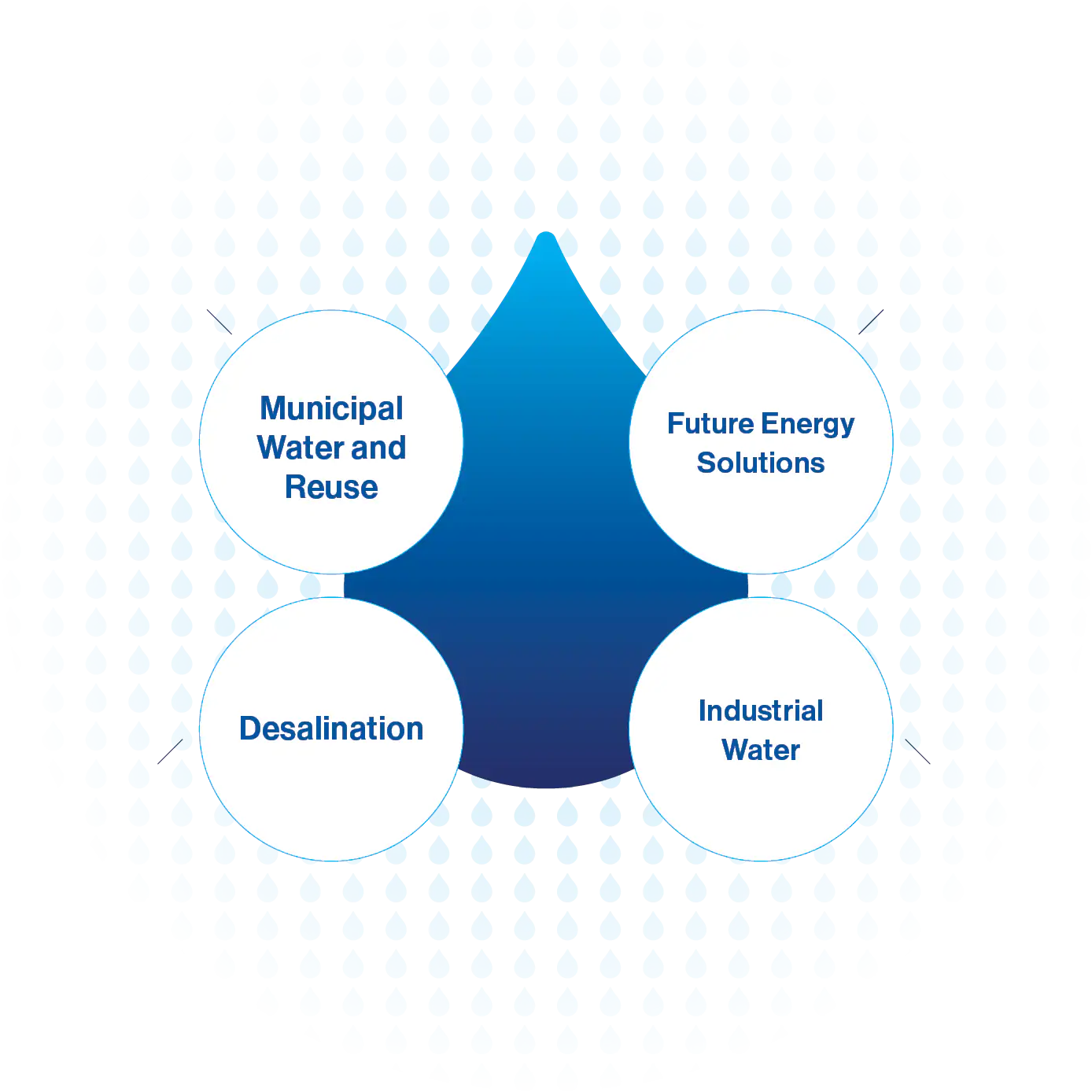
Against this backdrop, WABAG has built a diversified presence across the municipal, industrial, desalination and water reuse segments. Our technology-driven portfolio and global execution capabilities position us well to serve the evolving needs of the global water sector.
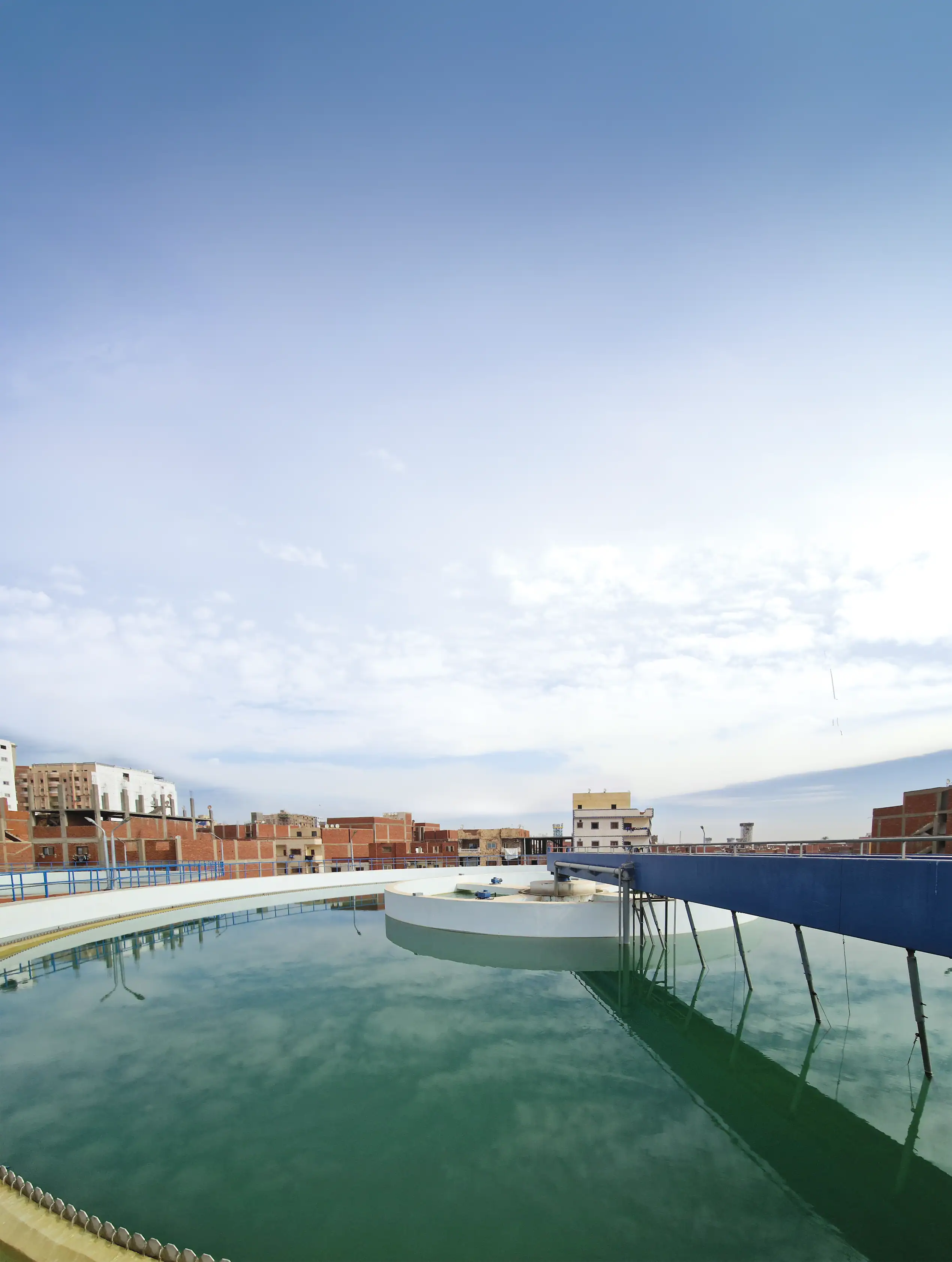
Islamia WTP, Egypt
Islamia WTP, Egypt

Key Market Drivers

Water Scarcity

Declining freshwater availability is accelerating investment in sustainable water infrastructure and resource-efficient solutions.

Urbanisation

Rapid urban growth is increasing demand for reliable drinking water supply and advanced wastewater management systems.

Industrial Transformation

Demand for advanced water systems in the manufacturing sector is increasing due to manufacturing expansion and environmental regulations.

Energy Transition

Structural demand for ultra-pure water solutions is growing due to the emergence of semiconductors, solar, green hydrogen and data centres.

Circular Economy

The concepts of water reuse, recycling, and resource recovery are increasingly becoming a part of the sustainable development policies and practices.

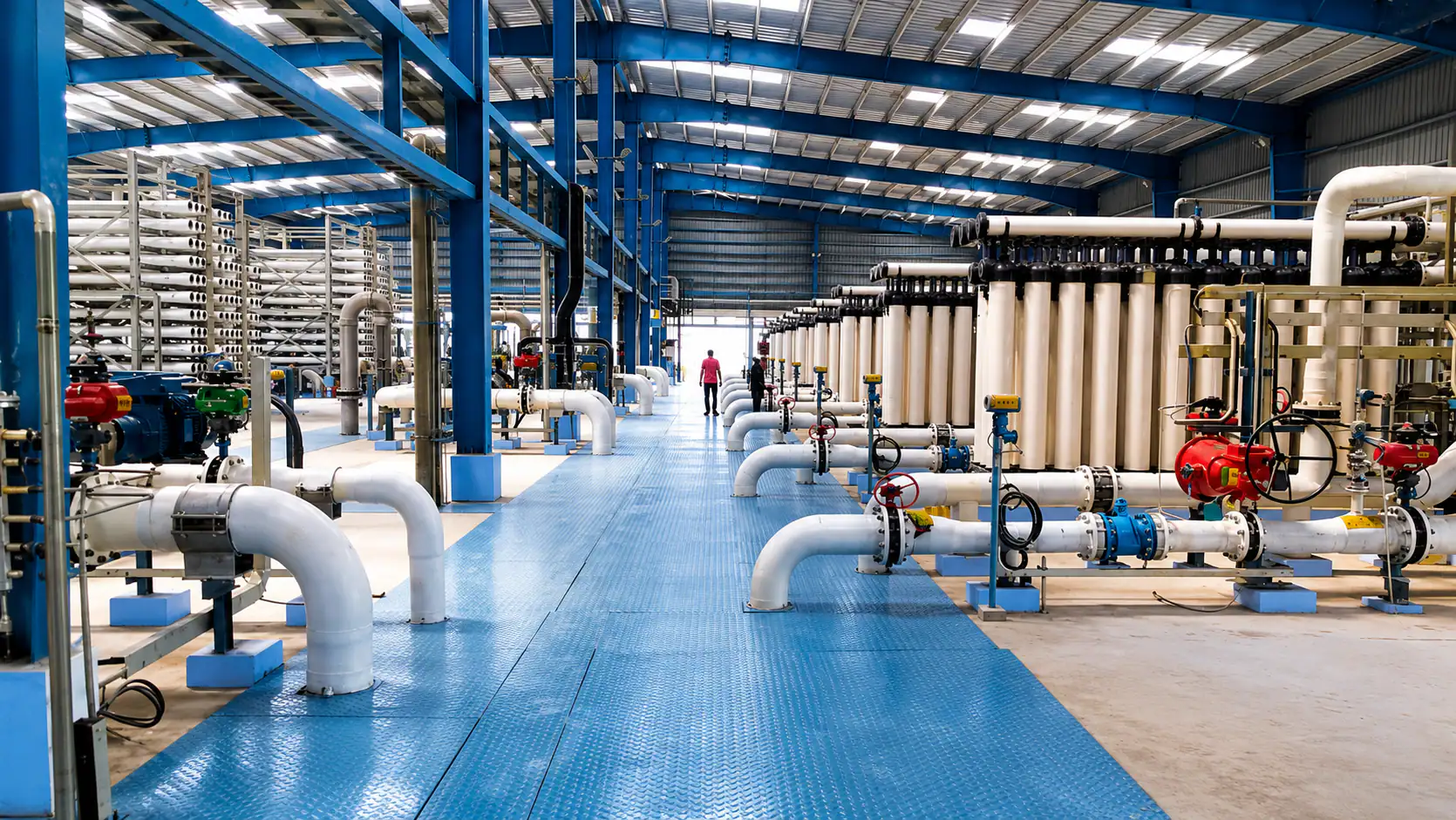
400 MLD Perur SWRO Plant, Chennai, Tamil Nadu

40 MLD GNN TTRO Plant, Ghaziabad, India

Water: An Infrastructure Priority for the Future

The global water landscape is being reshaped by population growth, diminishing freshwater resources and increasingly stringent environmental regulations. Governments are investing heavily in drinking water and wastewater infrastructure, while industries are adopting water reuse and circular water management practices to strengthen operational resilience and resource security.

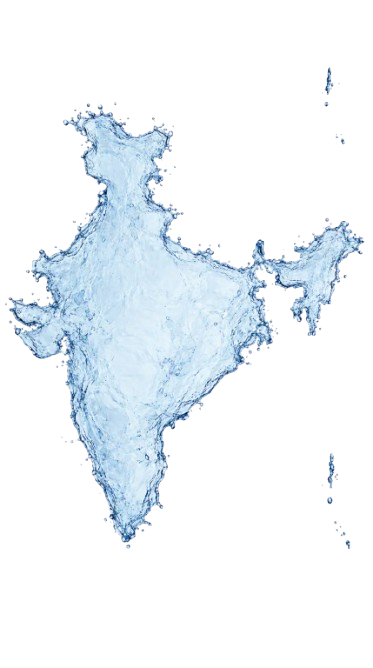
India Map
India
₹8.69 lakh Crores
(US$90 Bn)

in Jal Jeevan Mission 2.0

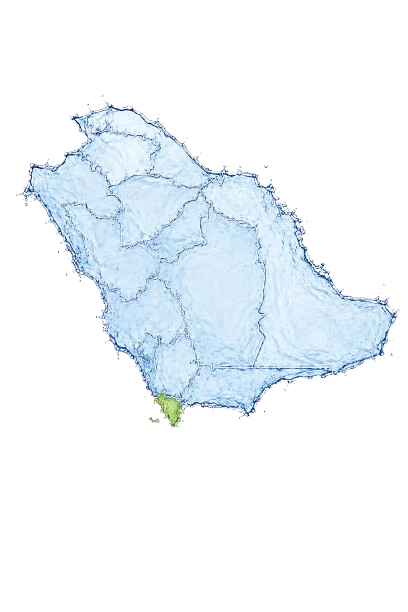
Saudi Arabia Map
Saudi Arabia
US$38–42 Bn

on water infra under Vision 2030.

Africa Map
Africa
US$ 30 Bn

Estimated annual water infrastructure

The world is also moving towards sustainable development, which is leading to a fundamental shift in how water is produced, treated and reused, with wastewater increasingly viewed as a valuable economic resource.

Wave Background Pattern

The global desalination market is projected to expand from US$18 billion to US$30 billion by 2031, registering a CAGR of 8.8%, as seawater increasingly emerges as a critical alternative source for addressing global water scarcity.

Water-focused investment funds have grown by nearly 60% since 2020 to approximately US$94 billion, reflecting strong investor confidence, with water infrastructure increasingly delivering superior yields compared to energy and digital infrastructure assets.

A Multi-Decade Investment Opportunity

Across our core geographies, we estimate an addressable market of US$75–100 billion over the next five to seven years, supported by policy initiatives, sovereign investments and multilateral funding programmes.

With urbanisation and environmental requirements becoming more stringent, investment is increasing in drinking water supply, wastewater treatment and water recycling facilities, providing a huge opportunity for advanced treatment technologies.

The scarcity of water is increasing and making desalination an indispensable part of the nation's water security plans, especially in the Middle East and coastal areas where water resources are already limited.

Multi-Decade Investment Opportunity Infographic

The growing demand of semiconductor manufacturing, solar energy, green hydrogen, data centres and infrastructure for artificial intelligence (AI) is ushering in a new wave of applications that require ultra-pure water and advanced treatment technologies.

Water systems are getting more efficient and industries are becoming more aware of water reuse opportunities or Zero Liquid Discharge solutions to guarantee their water systems will operate properly and be compliant with regulations.

Growth Powered by Diverse Geographies

India continues to witness significant investments in drinking water, wastewater management and river rejuvenation programmes. Across the Middle East, large-scale desalination and water security initiatives are creating substantial opportunities, while Africa, Europe, SAARC and Southeast Asia are benefiting from increasing multilateral and sovereign-backed investments.

Our diversified market presence enables us to capture opportunities across regions while reducing dependence on any single geography, customer segment or economic cycle.

Positioned for Next Wave of Water Infrastructure

Technology, policy support and long-term capital allocation are all coming together to redefine the global water industry.

Semiconductors

A single semiconductor fabrication facility can consume up to 10 million gallons of ultra-pure water per day, making water security critical to chip manufacturing.

Artificial Intelligence (AI) and Data Centres

Rapid AI adoption is accelerating the expansion of data centre infrastructure. Hyperscale data centres consume 3–5 million gallons of water daily for cooling, with water demand from the sector growing at 25–35% annually. As a result, AI-driven water consumption is projected to reach 4–7 billion cubic metres annually by 2027.

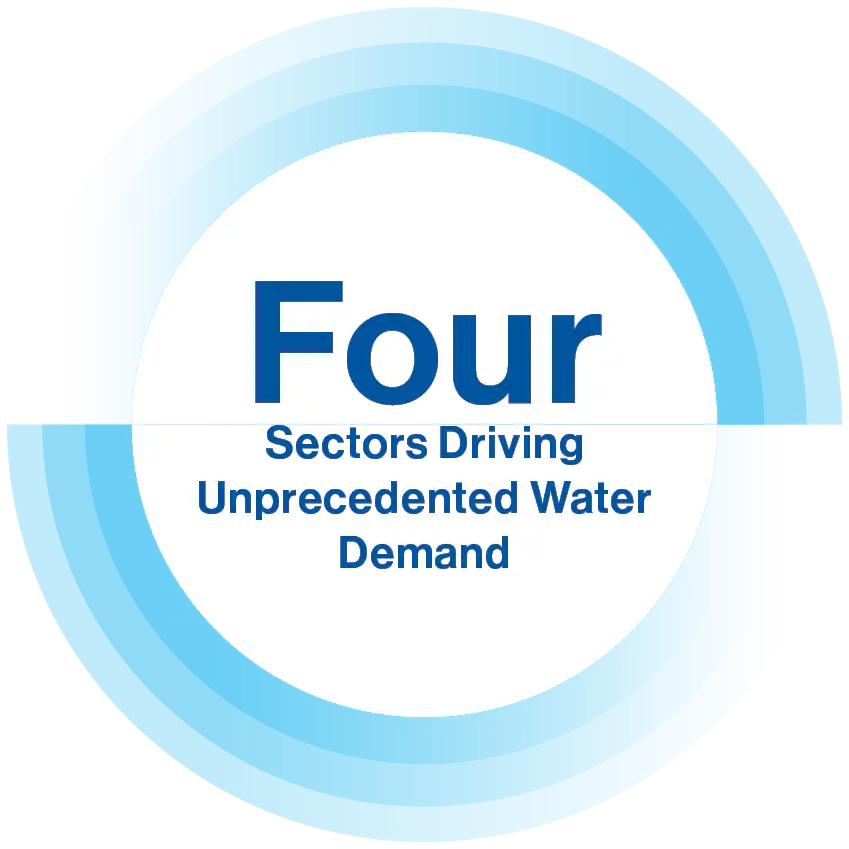
Four Sectors Driving Unprecedented Water Demand

Green Hydrogen

The production of one kilogram of green hydrogen requires 15–25 litres of ultrapure water, creating demand for desalination and advanced water treatment technologies.

Solar PV Manufacturing

Water demand is rising with renewable energy expansion, with photovoltaic (PV) panel production requiring around 20 gallons per MWh and concentrated solar power (CSP) plants consuming 500–800 gallons per MWh.

WABAG's knowledge and experience cover the water value chain with its long-term business development perspectives, spanning the water cycle from desalination and water reuse to the uses of industrial water and the long-term use of water.